
Behind the Scenes: Crime Scene Metal Detecting
Behind the Scenes of Evidence Recovery in Law Enforcement Investigations
Metal detecting is commonly associated with treasure hunting, but in criminal investigations, it serves a very different and highly valuable purpose.
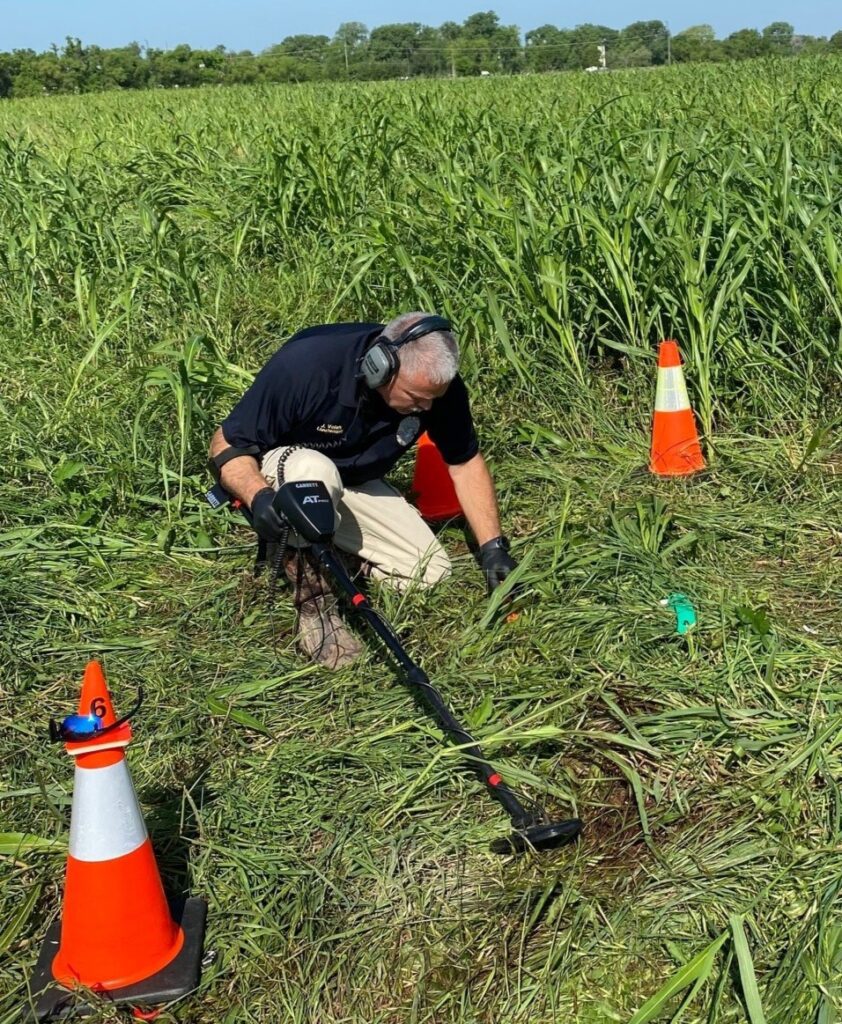
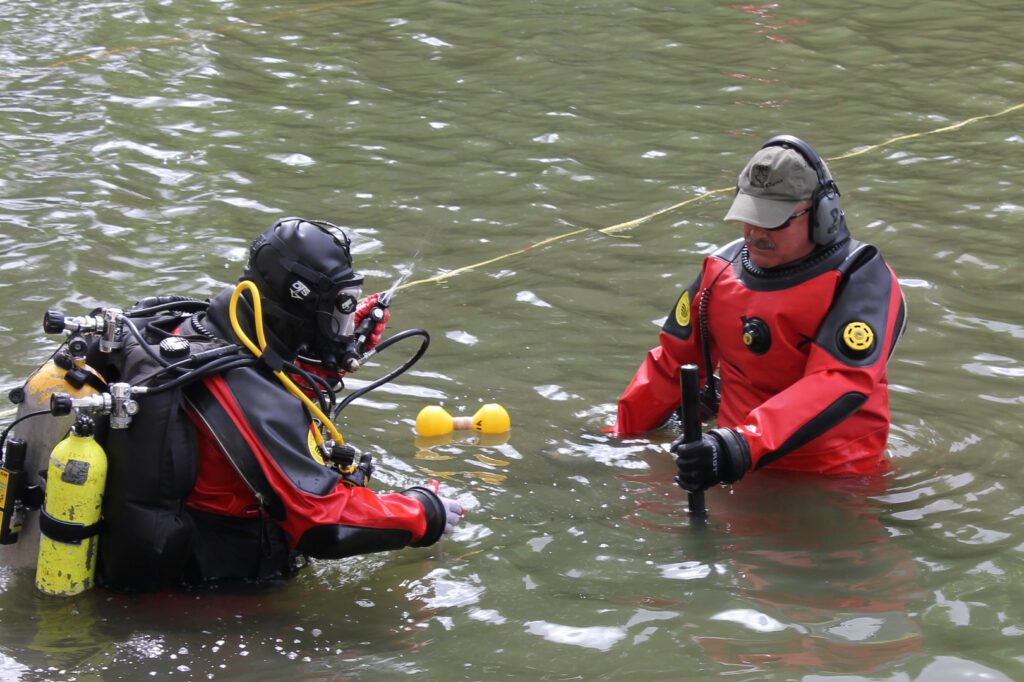
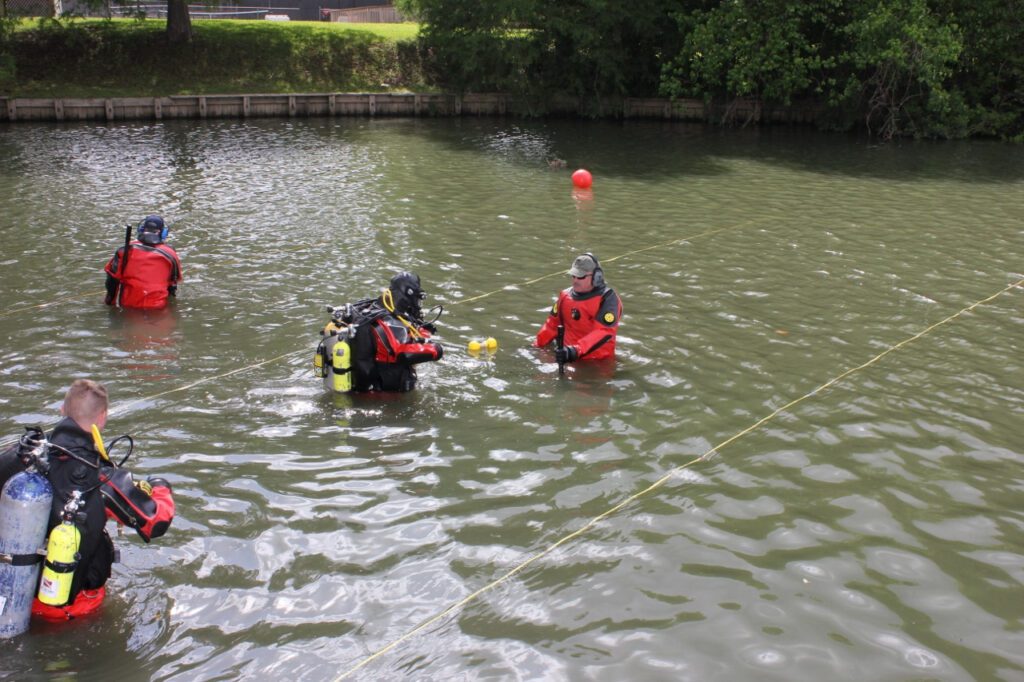
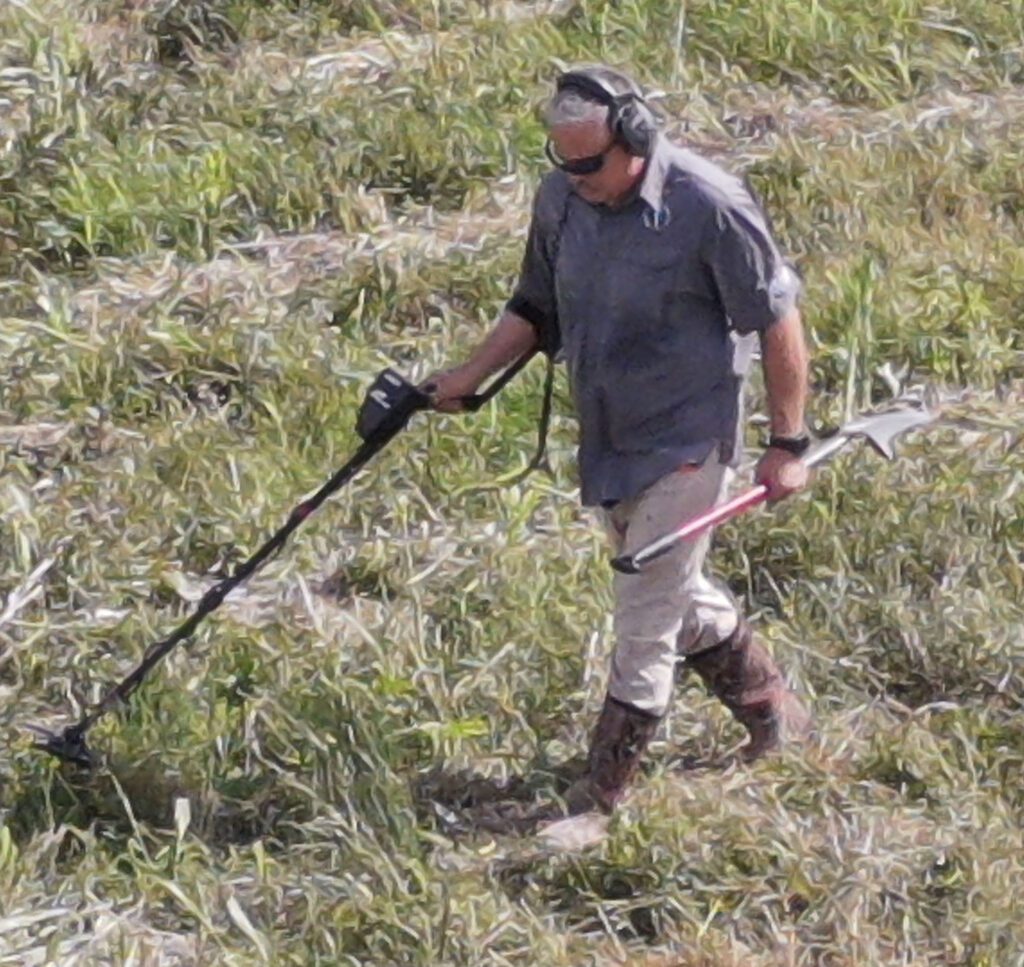
Across the United States, law enforcement agencies use metal detectors to recover critical evidence that may be hidden beneath soil, sand, vegetation, or underwater environments. Properly used, these tools can help investigators locate evidence that might otherwise remain undiscovered.
Through both professional investigative experience and specialized training programs, we have worked with investigators to demonstrate how metal detecting can assist in locating items such as:
-
Fired bullets and bullet fragments
-
Cartridge casings
-
Buried firearms
-
Knives and metallic weapons
-
Stolen property
-
Metallic evidence hidden in outdoor environments
These items are often located in areas where traditional visual searches alone would not be effective.
In addition to formal training, we also offer free assistance to law enforcement agencies upon request. When agencies need support with locating metallic evidence in difficult terrain or specialized environments, we are committed to providing professional assistance in support of their investigative efforts.
An Investigative Mindset
Crime scene metal detecting requires a disciplined and methodical approach. The process is very similar to how investigators manage and process a crime scene.
Searches often involve:
-
Establishing defined search boundaries
-
Implementing grid search patterns
-
Documenting search areas and evidence locations
-
Preserving the integrity of potential evidence
-
Coordinating with detectives and crime scene personnel
Years of experience in law enforcement investigations have helped shape a mindset that approaches each search in a systematic and controlled manner.
Whether recovering evidence related to a criminal investigation or assisting with the recovery of valuable lost property, these same investigative principles guide every search.
Law Enforcement Training Through TriTech Forensics
The Crime Scene Metal Detector Operator Course is taught nationally through TriTech Forensics and provides investigators with the knowledge and practical skills necessary to locate metallic evidence in real-world investigative environments.
This specialized training program is certified through the International Association of Identification (IAI) and has been validated for 16 hours of continuing education credit.
The course provides a combination of classroom instruction and practical field exercises designed to help investigators understand how metal detectors can be effectively used in criminal investigations.
Training topics include:
-
Metal detector technology and capabilities
-
Search strategies for outdoor crime scenes
-
Grid search methods and scene documentation
-
Evidence recovery techniques
-
Searching wooded areas, fields, and shorelines
-
Underwater evidence recovery considerations
-
Evidence preservation and chain of custody considerations
Students leave the course with both the technical knowledge and hands-on experience necessary to conduct structured evidence searches.
Hands-On Field Training
The course emphasizes realistic training scenarios that investigators may encounter during actual criminal investigations.
Participants complete practical exercises such as:
-
Searching for buried firearms
-
Recovering fired bullets and cartridge casings
-
Conducting systematic grid searches
-
Locating metallic evidence in wooded environments
-
Searching shoreline and sandy terrain
These exercises allow investigators to develop practical skills that can be applied directly in the field.
Why Metal Detecting Matters in Investigations
Metal detectors provide investigators with an important tool when traditional search techniques are not sufficient.
Evidence hidden beneath soil, vegetation, or sand can easily be overlooked without specialized equipment and training.
Properly trained investigators using metal detectors can dramatically increase the chances of locating critical evidence that may:
-
Support witness statements
-
Corroborate investigative findings
-
Strengthen criminal cases
In many cases, a single recovered piece of evidence can play an important role in the outcome of an investigation.
Previous Law Enforcement Training
Over the years we have had the opportunity to instruct investigators and crime scene personnel from a variety of law enforcement agencies across the United States.
Training events have included:
-
Crime Scene Units
-
Detectives
-
Evidence Technicians
-
State Police Investigators
-
Federal and local law enforcement personnel
These courses are hosted through professional forensic training programs and law enforcement training facilities.
Photos from previous Crime Scene Metal Detector Operator courses and training events can be viewed in our Training Photo Gallery.
View Law Enforcement Training Photos
Professional Continuing Education
Because the Crime Scene Metal Detector Operator Course is recognized through the International Association of Identification, investigators attending the training can apply the 16 hours of continuing education credit toward maintaining professional certifications in the forensic science and investigative community.
For agencies seeking to expand their investigative capabilities, this training provides officers with practical tools that can immediately be applied in real-world investigations. We also remain available to assist law enforcement agencies directly, and upon request, we are proud to offer that assistance at no cost in support of public safety and investigative success.